
In a dramatic and closely watched development, a French-owned container ship has successfully passed through the strategically critical Strait of Hormuz—a route that has been largely restricted amid escalating geopolitical tensions in 2026. The transit marks a potential shift in the ongoing crisis that has disrupted global shipping, energy markets, and international diplomacy.
The vessel, operated by the French shipping giant CMA CGM, is among the first Western-linked ships to navigate the strait since Iran effectively tightened control over the passage following the outbreak of war earlier this year.
The Historic Transit: What Happened?


The French-owned container ship, identified as the CMA CGM Kribi, successfully crossed the Strait of Hormuz on April 2, 2026.According to ship-tracking data and multiple reports, the vessel sailed under a Maltese flag and carefully navigated through Iranian-controlled waters.
This transit is significant for several reasons:
- It is the first French-owned vessel to pass through the strait since the conflict escalated in late February 2026.
- It represents one of the first Western-linked commercial ships to make the journey amid the crisis.
- The ship reportedly signaled its identity as “Owner France” before entering the strait—possibly to indicate neutrality.
The vessel’s safe passage has sparked widespread speculation about changing diplomatic dynamics in the region.
Why the Strait of Hormuz Matters
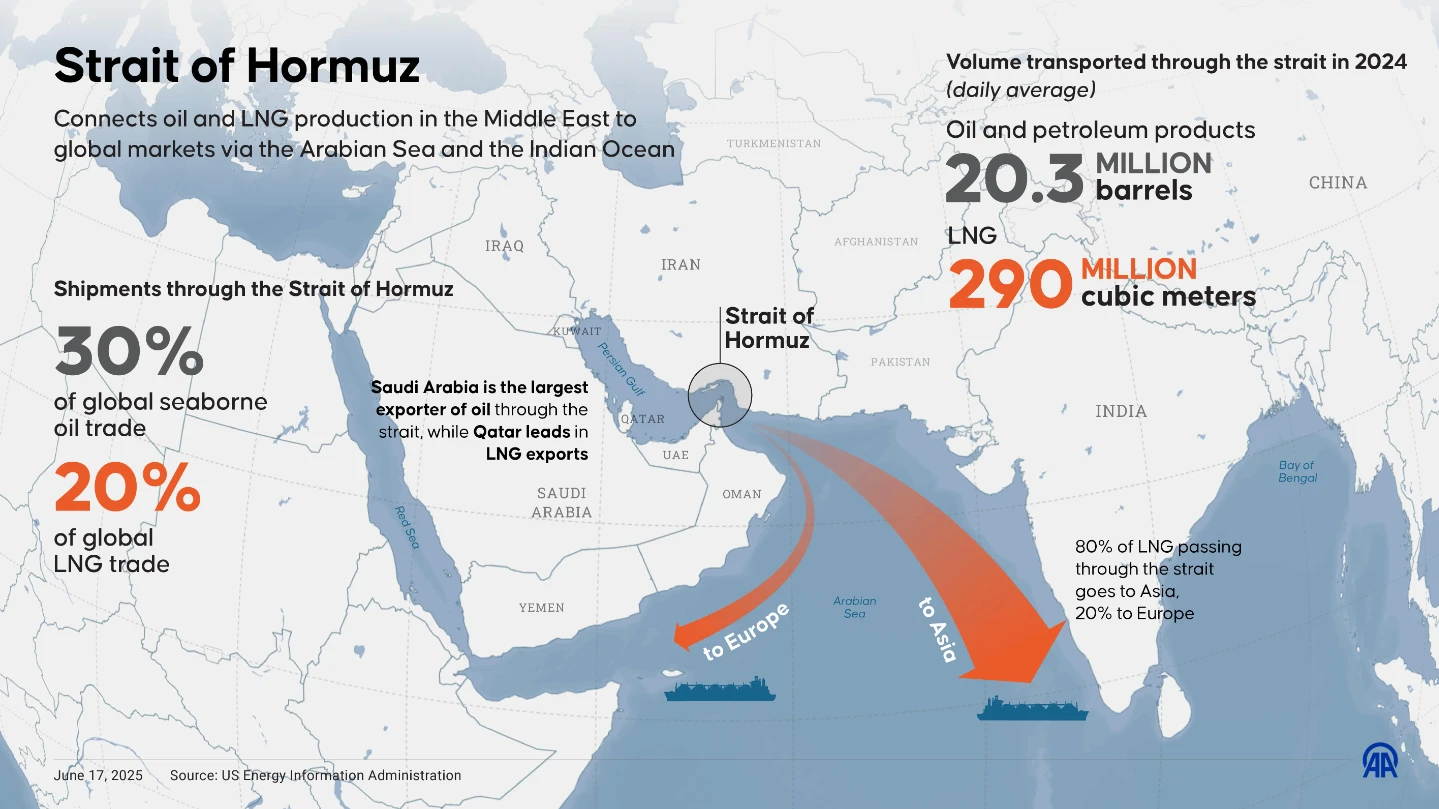
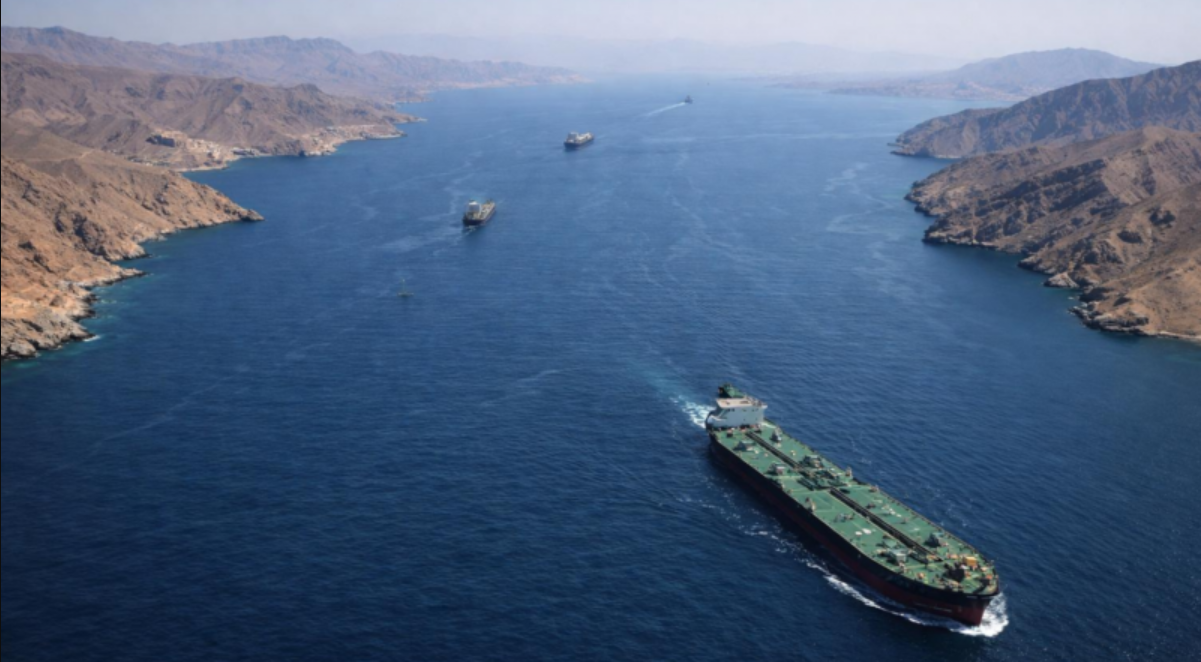

The Strait of Hormuz is one of the most critical maritime chokepoints in the world.Roughly 20% of global oil and gas supplies pass through this narrow waterway.
Key Facts:
- Connects the Persian Gulf to the Gulf of Oman
- Vital for oil exports from countries like Saudi Arabia, UAE, and Iraq
- Essential for global energy stability and supply chains
When disruptions occur in the strait, the effects ripple across global markets—impacting fuel prices, inflation, and even food security.
Background: The 2026 Strait of Hormuz Crisis
The current crisis began in late February 2026 following military strikes involving the United States and Israel targeting Iran.In response, Iran imposed strict control over the Strait of Hormuz, effectively limiting passage to select nations and vessels.
Key Developments:
- Maritime traffic dropped by over 90% in the early weeks of the conflict
- Only ships linked to countries like China, India, and ukbreakingnews24x7 Pakistan were initially allowed
- Several vessels were attacked or forced to turn back
- Insurance costs for shipping skyrocketed
This created a near-paralysis of one of the world’s most important trade routes.
Why Was the French Ship Allowed Through?
The successful passage of the French-owned ship has raised an important question: Why France?